
 Click main image to view in full screen.
Dynamic Cap Table & Equity Planning Template – Excel XLSX
Excel (XLSX)


VIDEO DEMO
BENEFITS OF THIS DOWNLOADABLE EXCEL DOCUMENT
- It simplifies equity management by combining pre- and post-money views in one place, helping you make more informed funding decisions.
- It saves time and reduces errors by automating calculations for convertible notes, new equity rounds, and multiple scenarios.
- It improves stakeholder communication through clear visuals of ownership changes and sensitivity analyses, preventing surprises and misalignment.
ENTREPRENEURSHIP EXCEL DESCRIPTION
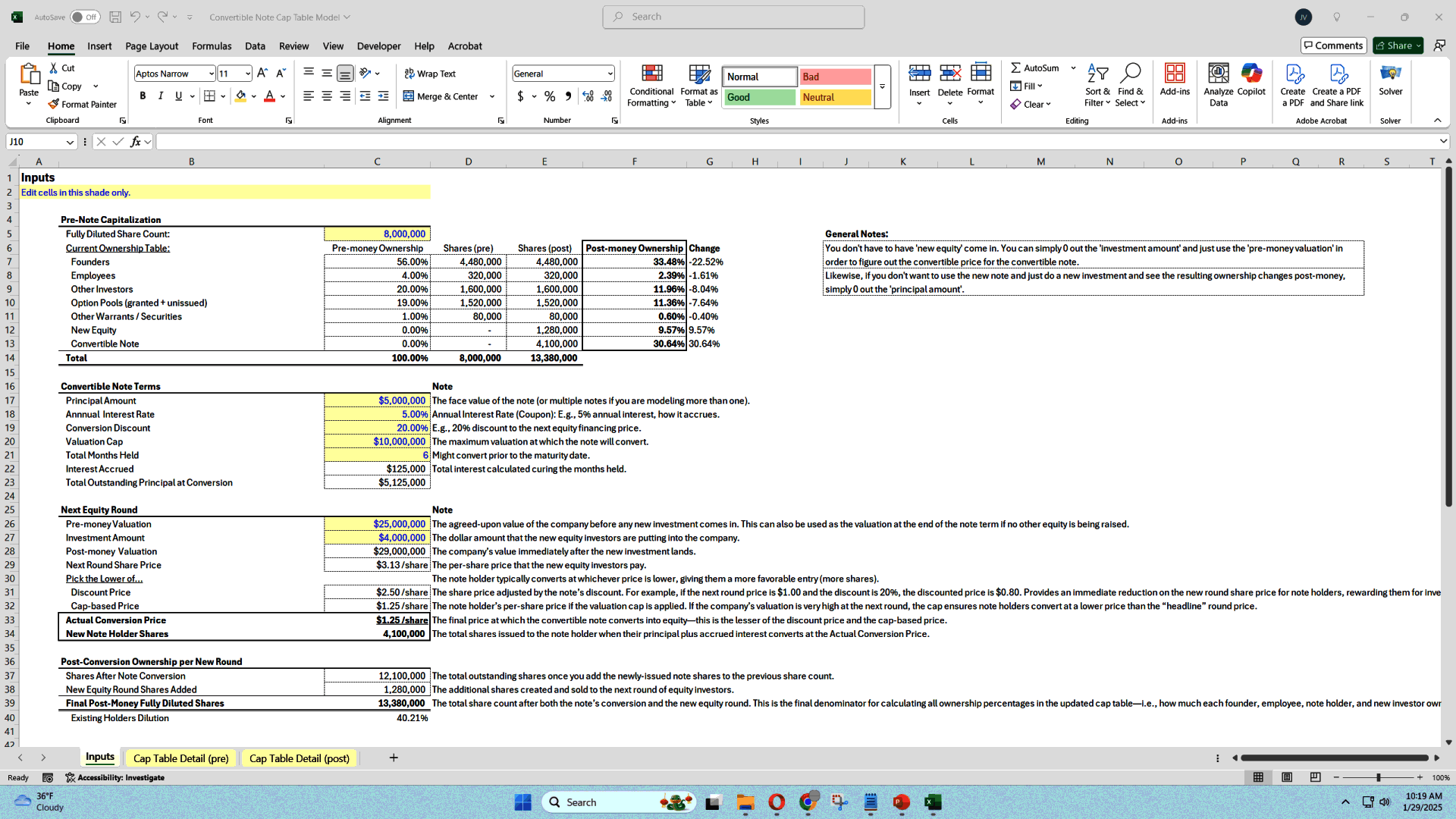
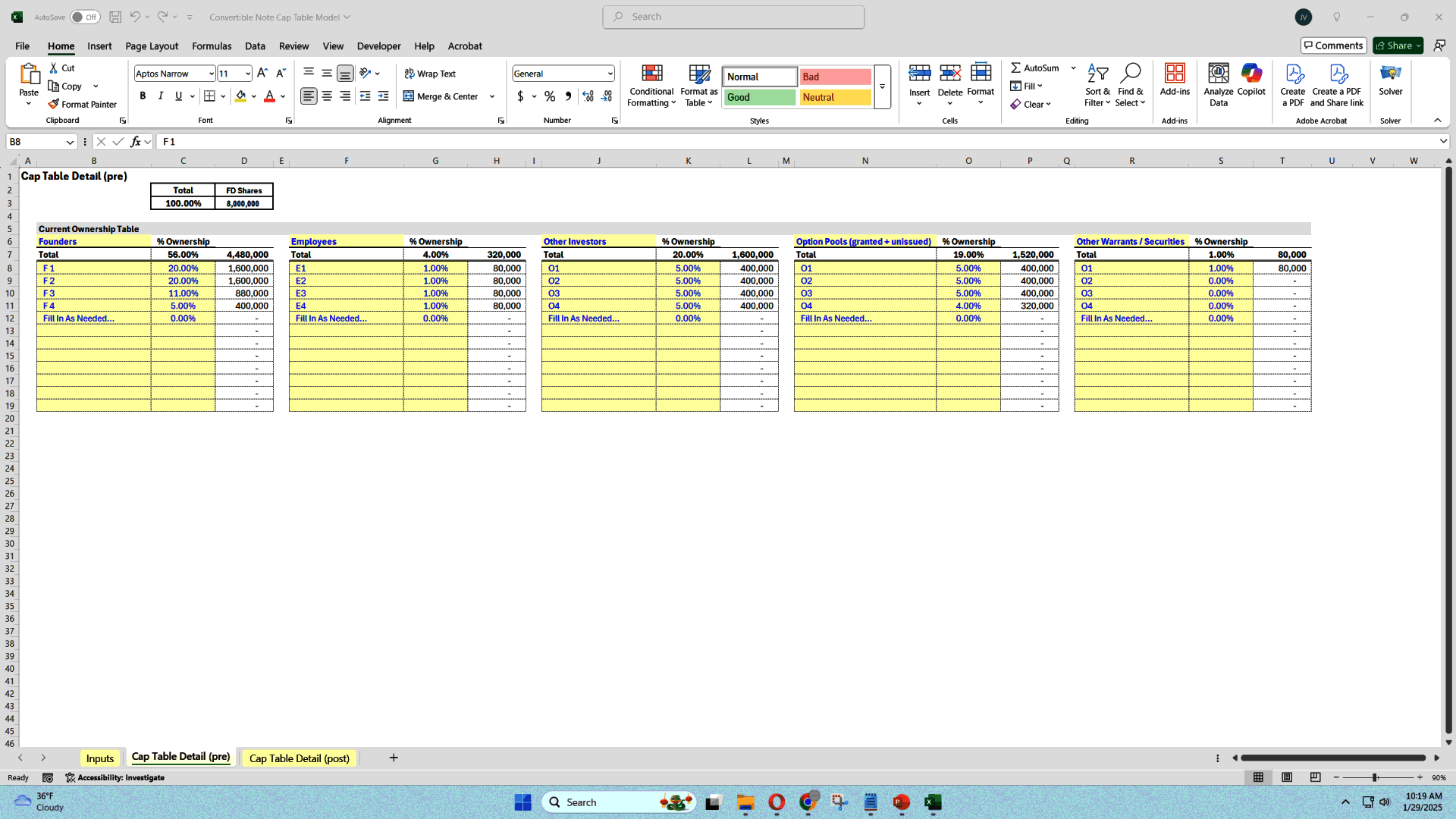
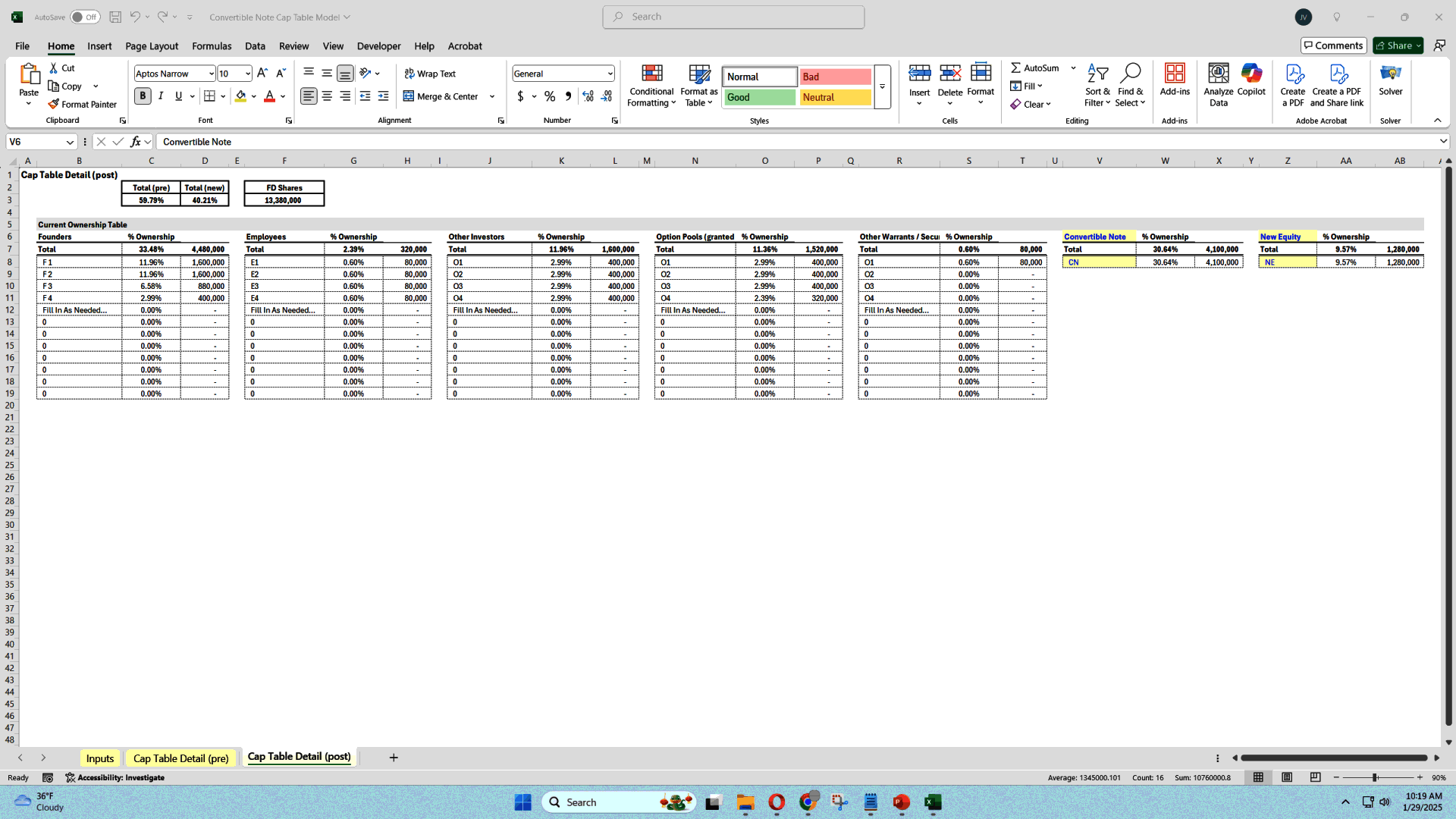
This Excel template provides a detailed pre- and post-money cap table that helps you clearly track and manage equity for your company. With robust data entry accommodating up to five initial stakeholder groups, it's flexible enough to cover a variety of ownership structures and funding scenarios. You can model both convertible notes and new equity rounds in one streamlined solution, giving you the power to see exactly how each financing event will affect ownership percentages, valuations, and overall dilution.
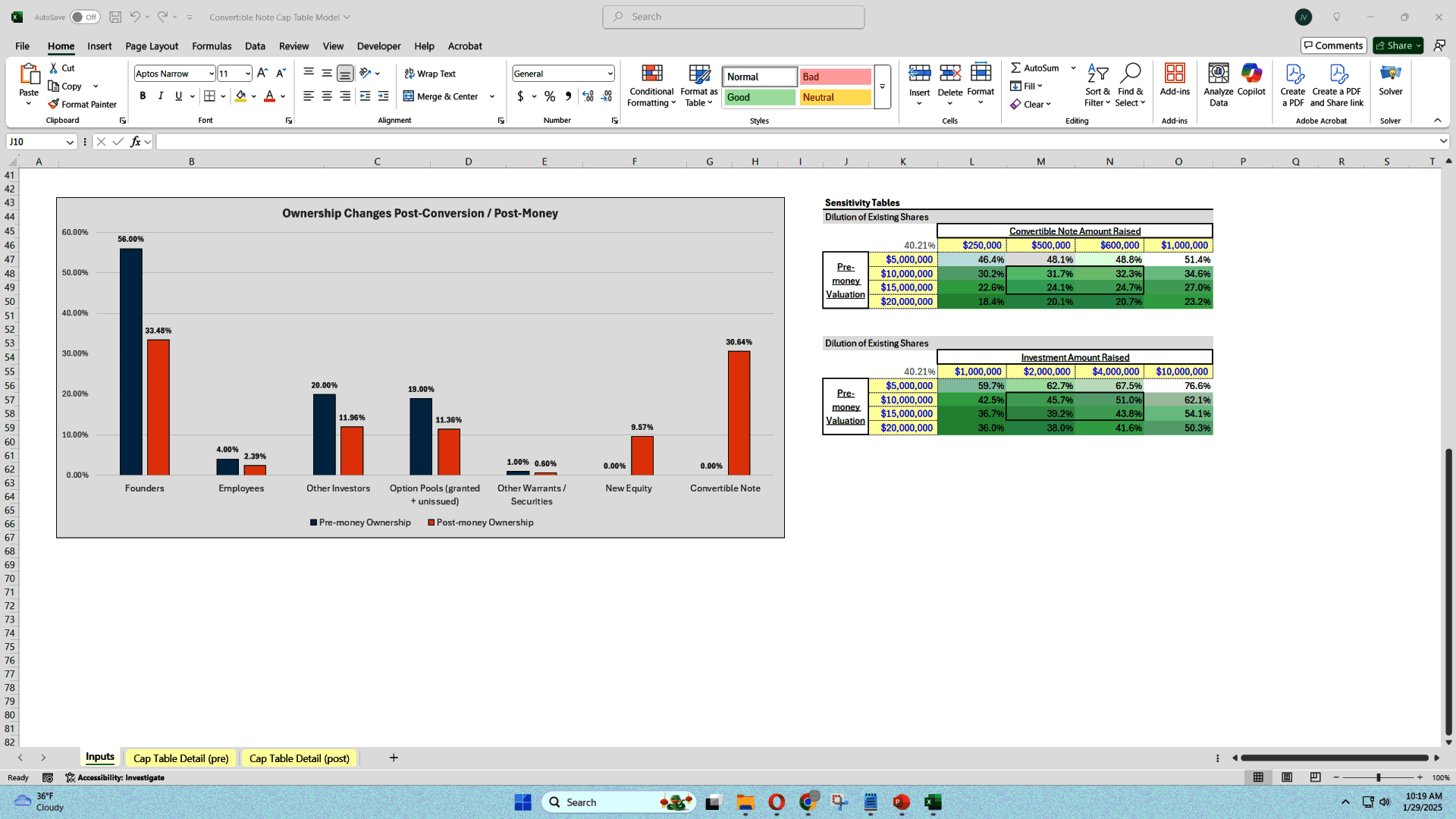
In addition to the core cap table functions, the template includes two sensitivity tables that show the dilution effect of key variables—ideal for "what if" scenarios as you plan financing rounds. A clear, visually-appealing chart also displays ownership structure before and after each financing event, making it easier to communicate changes to stakeholders. Designed with user-friendliness in mind, the sheet highlights input cells in yellow with blue text to guide data entry and is fully editable and unlocked, allowing you to tailor it to your specific needs.
Planning for dilution is vital because every time new equity is issued—whether through additional funding rounds, option grants to employees, or convertible note conversions—existing shareholders' ownership percentage decreases. Founders and early employees, in particular, can be caught off-guard when their initial stakes shrink significantly after multiple rounds of financing. By anticipating and modeling this dilution, companies can better set expectations for current and future stakeholders, balance equity incentives, and understand how each fundraising event affects overall control and voting power.
Moreover, a structured approach to dilution ensures that you make informed decisions about valuation, financing needs, and ownership structures. This preparation can help prevent situations where critical team members feel under-rewarded after repeated dilution events, potentially leading to retention issues. It also provides insight into how new investor terms—such as liquidation preferences or conversion discounts—might further dilute certain stakeholders. By analyzing dilution scenarios upfront, management and investors can collaboratively shape a sustainable equity strategy that supports the company's growth while maintaining fair and motivating ownership stakes for all parties.
Got a question about the product? Email us at support@flevy.com or ask the author directly by using the "Ask the Author a Question" form. If you cannot view the preview above this document description, go here to view the large preview instead.
TOPIC FAQ
What is the difference between pre-money and post-money cap tables and when should I model each?
Pre-money cap tables show ownership and valuation before a financing event; post-money tables show ownership after new shares are issued and money is received. Modeling both is necessary to quantify dilution, investor stakes, and founder ownership changes; Flevy’s template provides linked pre- and post-money cap tables for comparison in one workbook.How do convertible notes affect cap tables and how should I model them?
Convertible notes typically convert into equity at financing events, changing share counts and diluting existing owners; conversion terms like discounts or valuation caps alter outcomes. You should model conversion mechanics alongside new equity and run sensitivity scenarios; the template supports convertible notes and new equity rounds with 2 sensitivity tables.What features should I prioritize when selecting a cap table template for fundraising planning?
Prioritize pre- and post-money modeling, support for convertible notes and new equity rounds, sensitivity analysis for dilution, clear ownership visualizations, and editable inputs for customization. A useful package includes highlighted input cells, an ownership chart, and the ability to model multiple stakeholder groups with sensitivity outputs.How can I model employee option grants and estimate their dilution impact?
Treat option grants as new equity issuances: add shares to the option pool, update total shares outstanding, and recalculate ownership percentages to show dilution. Running scenario analyses helps anticipate cumulative effects across rounds; the template enables option and grant modeling with a before/after ownership chart for communication.What role do liquidation preferences and conversion discounts play in ownership outcomes?
Liquidation preferences and conversion discounts change the effective conversion amounts or payout allocations for investors, which can increase dilution for other shareholders when converting notes or allocating proceeds. Modeling these terms clarifies their impact on ownership and returns; the template’s guidance mentions analyzing liquidation preferences and conversion discounts.How should I weigh cost versus value when buying a cap table template for my startup finance team?
Evaluate whether the template saves time, reduces errors, and supports scenario analysis you need (pre/post modeling, convertible notes, visual outputs). Assess editability and clarity for stakeholder communication; a product that includes pre/post tables, convertible note modeling, and 2 sensitivity tables indicates practical modeling value for planning dilution.I just closed a seed round — what steps should I take to update the cap table accurately?
Record the new shares issued to investors, update total shares outstanding and post-money valuation, recalculate ownership percentages for each stakeholder group, and adjust any convertible notes that may convert. Re-run sensitivity scenarios to project future dilution; templates that handle new equity rounds and pre/post-money modeling streamline this process.What is the best way to visualize ownership changes for stakeholders during financing events?
Use side-by-side pre/post charts or stacked visuals that display percentage ownership and share counts before and after the event, accompanied by a summary table of dilution impacts. Clear visuals help stakeholders understand changes; the template includes a visually-appealing ownership chart showing structures before and after each financing event.Source: Best Practices in Entrepreneurship, Private Equity, Venture Capital Excel: Dynamic Cap Table & Equity Planning Template Excel (XLSX) Spreadsheet, Jason Varner | SmartHelping
ABOUT THE AUTHOR

I graduated in 2011 with a Bachelor's degree in Accounting and began my career as a financial analyst at a small chain of auto repair shops. After gaining valuable experience, I launched my own practice specializing in real estate underwriting, later expanding into general business modeling.
I honed my spreadsheet modeling expertise by completing over 400 projects on Upwork with a 100% success
... [read more]
Ask the Author a Question
You must be logged in to contact the author.




























